Immunological Engineering: Universal CAR-T Cells Overcoming Rejection Reactions

Aug 27, 2025 By

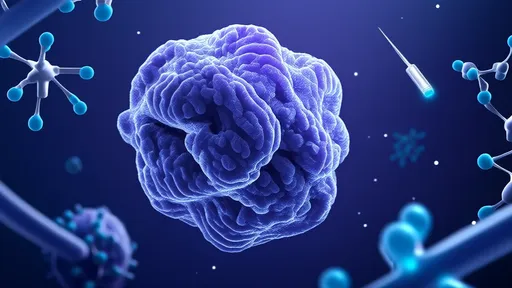
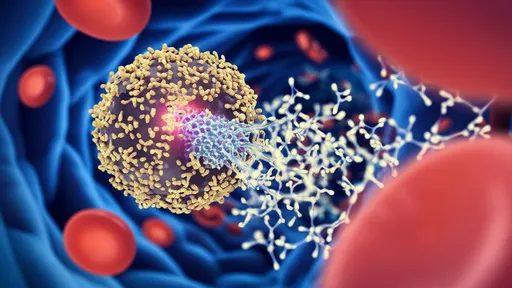
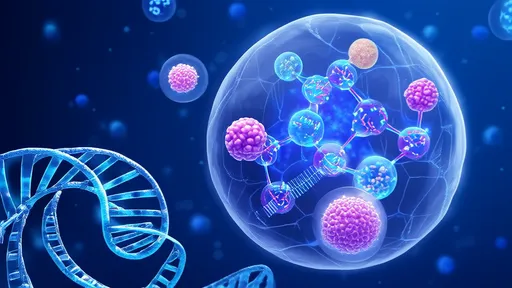
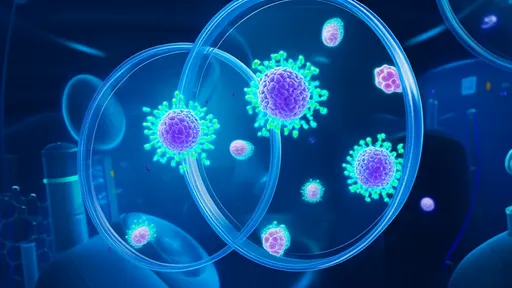
In the rapidly evolving landscape of cancer immunotherapy, a groundbreaking development has emerged from the laboratories of immunologists and bioengineers worldwide. The focus has shifted toward overcoming one of the most persistent challenges in adoptive cell therapies: host immune rejection of therapeutic cells. Universal CAR-T cells, engineered to be invisible to the patient’s immune system, are poised to revolutionize the field, offering hope for more accessible, scalable, and effective treatments.

The concept of chimeric antigen receptor T-cell therapy, or CAR-T, has already transformed the treatment of certain blood cancers. By reprogramming a patient’s own T cells to recognize and attack cancer cells, CAR-T therapy has achieved remarkable success in cases where conventional treatments have failed. However, this personalized approach is fraught with limitations. Each treatment must be manufactured individually from the patient’s own cells, a process that is not only time-consuming and costly but also unfeasible for patients with compromised immune systems or insufficient T-cell counts.

To address these constraints, researchers turned to the idea of allogeneic, or “off-the-shelf,” CAR-T cells derived from healthy donors. These universal CAR-T cells could be mass-produced, stored, and made readily available for any patient, drastically reducing preparation time and cost. But this approach introduced a new hurdle: graft-versus-host disease (GvHD), where the donor T cells attack the patient’s healthy tissues, and host-versus-graft rejection, where the patient’s immune system recognizes and destroys the foreign CAR-T cells.

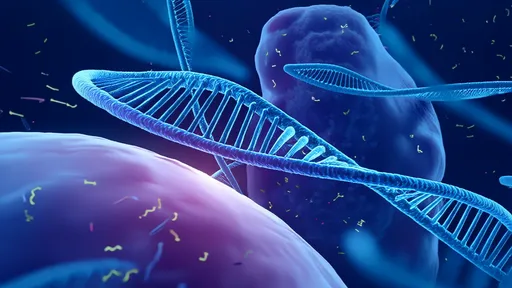
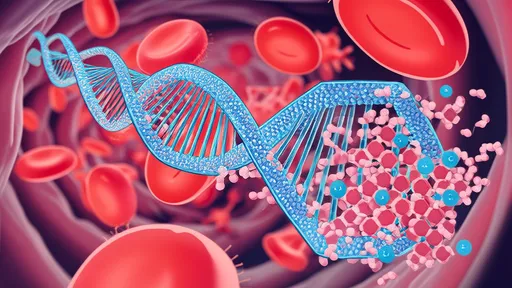
Immunoengineering has risen to this challenge with innovative strategies to cloak these universal cells from immune detection. One of the most promising techniques involves the use of gene editing tools like CRISPR-Cas9 to knock out genes responsible for the expression of T-cell receptor (TCR) complexes. Without TCRs, the donor T cells are unable to recognize the patient’s tissues, thereby preventing GvHD. Simultaneously, to evade host immune rejection, scientists are deleting genes that code for major histocompatibility complex (MHC) molecules, which act as flags that identify cells as foreign.

However, removing MHC molecules creates a new problem: without these signals, the engineered T cells might become vulnerable to attack by the patient’s natural killer (NK) cells, which monitor for missing or altered MHC expression. To counter this, researchers are incorporating synthetic molecules or engineering the cells to express non-native, inhibitory ligands that effectively signal to NK cells, “do not attack.” This delicate balance of edits aims to create stealth T cells that can operate undetected in any recipient.

Recent preclinical studies have demonstrated the viability of these approaches. In animal models, universal CAR-T cells with TCR and MHC knockouts, supplemented with NK evasion tactics, have shown sustained persistence and potent antitumor activity without eliciting rejection or GvHD. These findings have paved the way for early-phase clinical trials, where initial results are being closely watched for safety and efficacy signals.

Beyond genetic modifications, some groups are exploring alternative methods to achieve universal compatibility. This includes encapsulating CAR-T cells in biomaterials that shield them from immune recognition or using small molecule drugs to temporarily suppress the host immune response during cell administration. While these strategies are still in nascent stages, they represent the creative breadth of immunoengineering aimed at making CAR-T therapy more universal.

The implications of successful universal CAR-T cells extend beyond logistics and cost. They could enable treatment for a broader patient population, including those in resource-limited settings where personalized cell therapy is impractical. Moreover, universal platforms facilitate rapid iteration and improvement of CAR designs, as a single engineered cell line can be tested and optimized across multiple contexts, accelerating the development of next-generation therapies.

Despite the excitement, significant challenges remain. Ensuring long-term safety, particularly the risk of off-target effects from gene editing, is paramount. Regulatory pathways for these complex, multiply engineered products are still evolving, requiring close collaboration between scientists, clinicians, and policymakers. Furthermore, the durability of response and potential for antigen escape—where tumors stop expressing the target antigen—are ongoing concerns that must be addressed through combination strategies or more sophisticated CAR designs.

As the field advances, the vision of a truly universal, off-the-shelf cell therapy is inching closer to reality. Immunoengineering has provided the tools to reimagine CAR-T not as a bespoke treatment, but as a standardized, scalable pharmaceutical product. This paradigm shift holds the promise of democratizing access to cutting-edge cancer immunotherapy, bringing us one step closer to a future where life-saving cell therapies are available to all who need them.

The journey of universal CAR-T cells from bench to bedside exemplifies the power of interdisciplinary innovation. By marrying immunology with genetic engineering, materials science, and synthetic biology, researchers are overcoming biological barriers that once seemed insurmountable. As clinical data accumulates and technologies mature, these engineered cells are set to redefine what is possible in the fight against cancer and beyond.
Recommend Posts
Biology

Cerebrospinal Fluid Oscillator: Pulsatile Clearance of Beta-Amyloid in Sleep

By /Aug 27, 2025

In the quiet hours of the night, while the world sleeps, our brains engage in a profound cleansing ritual that scientists are only beginning to understand. Recent groundbreaking research has illuminated the critical role of cerebrospinal fluid in purging toxic waste from the brain during sleep, particularly the notorious beta-amyloid proteins implicated in Alzheimer's disease. This discovery not only transforms our understanding of sleep's purpose but opens exciting new pathways for combating neurodegenerative disorders.
Biology

Quantum Enigma of Bird Navigation: European Robin's Magnetic Sensing Coherence Time Breakthrough

By /Aug 27, 2025

In the quiet forests of Europe, a small songbird has been demonstrating a navigational prowess that has long baffled scientists. The European robin, with its unassuming reddish breast and melodic song, possesses an internal compass of such sophistication that it continues to reveal profound secrets about the intersection of biology and quantum physics. Recent breakthroughs in understanding this mechanism have sent ripples through the scientific community, challenging our very notions of how life interacts with the fundamental laws of the universe.
Biology

Optical Fibers from Spider Silk: Light Transmission Characteristics of Nephila clavata Silk and Communication Applications

By /Aug 27, 2025

In the realm of biomimetic materials, few discoveries have sparked as much intrigue and potential as the optical properties of spider silk, particularly that of the giant wood spider. For centuries, spider silk has been revered for its mechanical strength and elasticity, but recent scientific investigations have unveiled its remarkable ability to transmit light, opening doors to revolutionary applications in photonics and communications. This natural fiber, spun by arachnids with evolutionary precision, is now at the forefront of interdisciplinary research, merging biology, materials science, and engineering in a quest to harness its unique attributes for advanced technological uses.
Biology

Plant Electrical Signal Network: The Neuron-like Conduction Mechanism of Action Potentials in Venus Flytraps

By /Aug 27, 2025

In the quiet, boggy habitats where the Venus flytrap lies in wait, a sophisticated electrical drama unfolds each time an unsuspecting insect brushes against its sensitive trigger hairs. This carnivorous plant, known scientifically as Dionaea muscipula, does not possess a nervous system like animals do, yet it exhibits a form of rapid signaling that bears a striking and fascinating resemblance to neural conduction. The mechanism behind this phenomenon involves the propagation of action potentials across its specialized leaf structures, creating a functional, plant-based analog to an animal’s neural network.
Biology

Molecular Mechanisms of Lichen Symbiosis in Degrading Granite

By /Aug 27, 2025

In the shadowed crevices of mountain ranges and across vast geological timescales, a quiet but relentless transformation occurs. Lichens—those unassuming symbiotic organisms formed through the alliance of fungi and algae or cyanobacteria—are engaged in one of nature’s most subtle yet powerful acts of bio-weathering. For decades, scientists have observed their ability to colonize and degrade even the hardest of rocks, including granite. But only recently, through the lens of molecular biology and advanced geochemistry, are we beginning to decipher the precise mechanisms behind this remarkable process.
Biology

Progress in the Global Regulatory Framework for Bioethical Gene Editing Technology

By /Aug 27, 2025

The global conversation surrounding gene editing technologies has intensified in recent years, moving from speculative science fiction to tangible ethical and regulatory challenges. As CRISPR and related tools advance at a breathtaking pace, the international community grapples with the profound implications of rewriting the very code of life. This is not merely a scientific endeavor but a societal one, demanding careful consideration of moral boundaries, equity, and the future of human evolution.
Biology

Updating Species Distribution Predictions in Response to Climate Change"

By /Aug 27, 2025

Ecological models have long served as critical tools for predicting how species might respond to the accelerating pace of climate change. For decades, these computational frameworks have projected potential range shifts, population declines, and extinction risks, providing a foundational understanding for conservation planning. However, the sheer velocity and complexity of recent climatic alterations are exposing significant limitations in these traditional predictive systems. A new wave of updated ecological models is now emerging, integrating a more sophisticated array of variables and computational power, forcing a substantial revision of our expectations for the future of global biodiversity.
Biology

Proteomics: Breakthroughs in Single-Molecule Protein Sequencing Technology

By /Aug 27, 2025

In a landmark development that promises to reshape our understanding of biological systems, researchers have achieved a monumental breakthrough in single-molecule protein sequencing technology. This advancement, emerging from the convergence of nanotechnology, advanced optics, and computational biology, enables scientists to read individual protein molecules with unprecedented precision. The implications are profound, potentially unlocking new frontiers in personalized medicine, drug discovery, and our fundamental comprehension of cellular mechanisms.
Biology

eDNA: Air Sample Monitoring Technology for Insect Diversity

By /Aug 27, 2025

In the ever-evolving field of ecological research, a groundbreaking technique has emerged that is reshaping how scientists monitor insect biodiversity. By analyzing environmental DNA (eDNA) collected from air samples, researchers can now detect and identify insect species without ever laying eyes on them. This non-invasive method is not only revolutionizing data collection but also offering unprecedented insights into the health and composition of ecosystems worldwide.
Biology

Regenerative Medicine: Successful Clinical Application of 3D Bioprinted Corneas

By /Aug 27, 2025

In a landmark achievement for regenerative medicine, researchers have successfully transplanted 3D bioprinted corneas into human patients, marking a revolutionary step toward addressing the global shortage of corneal donors. The pioneering procedure, conducted at the Singapore National Eye Centre, has restored vision in five patients who had been awaiting transplants for years. This breakthrough represents not merely a technical accomplishment but a fundamental shift in how we approach organ transplantation and tissue engineering.
Biology

Epigenetic Regulation of Adaptive Evolution: Evidence for Evolutionary Epigenetics

By /Aug 27, 2025

For decades, the central dogma of evolutionary biology has rested firmly on the shoulders of genetic mutation and natural selection. The narrative was straightforward: random changes in DNA sequence create variation, and environmental pressures select the fittest variants, gradually shaping species over generations. While this framework remains foundational, a growing body of research is compelling scientists to expand their view. The emerging field of evolutionary genetics is now grappling with a powerful and once-heretical idea: that non-genetic, epigenetic mechanisms can also influence the pace and direction of adaptive evolution.
Biology

Immunological Engineering: Universal CAR-T Cells Overcoming Rejection Reactions

By /Aug 27, 2025

In the rapidly evolving landscape of cancer immunotherapy, a groundbreaking development has emerged from the laboratories of immunologists and bioengineers worldwide. The focus has shifted toward overcoming one of the most persistent challenges in adoptive cell therapies: host immune rejection of therapeutic cells. Universal CAR-T cells, engineered to be invisible to the patient’s immune system, are poised to revolutionize the field, offering hope for more accessible, scalable, and effective treatments.
Biology

Ecotoxicological Accumulation of Microplastics in the Food Chain

By /Aug 27, 2025

The insidious journey of microplastics through our ecosystems represents one of the most pressing and complex environmental challenges of our time. These minuscule particles, often invisible to the naked eye, have permeated every corner of the globe, from the deepest ocean trenches to the most remote mountain peaks. Their presence in the food web, however, marks a particularly alarming chapter in the story of anthropogenic pollution, raising profound questions about long-term ecological and human health consequences.
Biology

Biodiesel from Algae: A New Record in Conversion Efficiency

By /Aug 27, 2025

In a landmark breakthrough that promises to reshape the renewable energy landscape, a joint research team from the Global Institute for Bioenergy Research and Oceanic Technologies has shattered previous benchmarks in algal biodiesel conversion efficiency. The pioneering study, published this week in Nature Energy, demonstrates an unprecedented 78% lipid-to-fuel conversion rate using a novel enzymatic process—a staggering 22% improvement over the industry’s previous gold standard.
Biology

Nanomedical Targeting of Tumors with DNA Origami Drug Delivery Systems

By /Aug 27, 2025

In a landmark development that could reshape the landscape of oncological therapeutics, researchers have unveiled a groundbreaking approach utilizing DNA origami-based drug delivery systems to target tumors with unprecedented precision. This innovative strategy harnesses the programmable nature of DNA to construct nanoscale carriers capable of navigating the complex biological environment to deliver chemotherapeutic agents directly to malignant cells, thereby minimizing systemic toxicity and enhancing treatment efficacy. The implications of this technology extend far beyond conventional chemotherapy, offering a glimpse into a future where cancer treatment is both highly effective and remarkably gentle on the patient.
Biology

Synthetic Ecology: Mechanisms for Stabilizing Artificially Designed Microbial Communities

By /Aug 27, 2025

In the rapidly evolving field of synthetic biology, researchers are increasingly turning their attention to the design and engineering of microbial communities. These synthetic ecosystems, meticulously crafted to perform specific functions, hold immense promise for applications ranging from environmental remediation to personalized medicine. However, the stability of these artificially constructed communities remains a significant challenge, as they must withstand environmental fluctuations and internal dynamics without collapsing. Understanding and engineering mechanisms that enhance their resilience is therefore critical to unlocking their full potential.
Biology

New Algorithm for Integrating Single-Cell Multi-Omics Data

By /Aug 27, 2025

The field of single-cell biology is undergoing a seismic shift. For years, researchers have been able to probe the inner workings of individual cells, but often through a single lens—be it the transcriptome, the epigenome, or the proteome. This provided a powerful, yet fundamentally incomplete, picture of cellular identity and function. The next frontier, the simultaneous and integrated measurement of multiple molecular layers within the same cell, promises a holistic view of cellular machinery. However, this promise is gated by a formidable computational challenge: how to meaningfully unify these disparate, high-dimensional, and often noisy datasets into a coherent biological narrative. The development of novel algorithms for single-cell multi-omics data integration has thus become one of the most critical and dynamic areas of computational biology.
Biology

Evolutionary Development: New Mechanisms of Hox Genes in Regulating Body Size Evolution

By /Aug 27, 2025

In the intricate tapestry of evolutionary biology, few discoveries have reshaped our understanding of body plan development as profoundly as the Hox genes. These master regulatory genes, often described as the architects of anatomical form, have long been recognized for their role in determining the identity of segments along the anterior-posterior axis in a vast array of animals. For decades, the prevailing dogma held that changes in the number or type of Hox genes themselves were the primary drivers of the dramatic morphological diversity observed across the animal kingdom. However, a new and more nuanced narrative is emerging from laboratories worldwide, one that shifts the focus from the genes themselves to the intricate regulatory landscapes that control them. This paradigm shift is revealing that the evolution of animal form is less about inventing new genetic tools and more about learning to use the existing toolkit in profoundly innovative ways.
Biology

New Breakthrough in CAR-NK Cell Therapy for Solid Tumors

By /Aug 27, 2025

In the rapidly evolving landscape of cancer immunotherapy, a new contender is steadily gaining prominence for its potential to overcome longstanding challenges in treating solid tumors. CAR-NK cell therapy, an innovative approach that merges the targeted precision of chimeric antigen receptors with the innate biological advantages of natural killer cells, is emerging as a promising strategy where other immunotherapies have struggled. Unlike its more famous counterpart CAR-T, which has revolutionized blood cancer treatment but faces significant hurdles in solid malignancies, CAR-NK therapy brings a unique set of properties that may finally crack the code of complex tumor environments.
Biology

Quantitative Study on Energy Transfer in Whale Fall Ecosystems

By /Aug 27, 2025

In the profound darkness of the deep ocean, where sunlight never penetrates, an extraordinary ecological phenomenon unfolds—one that challenges our understanding of life and energy transfer in the most inhospitable environments on Earth. This process, known as whale fall, begins with the death of a great whale and its subsequent descent to the seafloor. Over decades, its massive carcass becomes the foundation for a complex, thriving ecosystem, supporting everything from scavengers to specialized bacteria. Recent scientific efforts have focused on quantifying the intricate energy transfer within these unique ecosystems, revealing insights that reshape our comprehension of deep-sea productivity and carbon sequestration.