In the intricate tapestry of evolutionary biology, few discoveries have reshaped our understanding of body plan development as profoundly as the Hox genes. These master regulatory genes, often described as the architects of anatomical form, have long been recognized for their role in determining the identity of segments along the anterior-posterior axis in a vast array of animals. For decades, the prevailing dogma held that changes in the number or type of Hox genes themselves were the primary drivers of the dramatic morphological diversity observed across the animal kingdom. However, a new and more nuanced narrative is emerging from laboratories worldwide, one that shifts the focus from the genes themselves to the intricate regulatory landscapes that control them. This paradigm shift is revealing that the evolution of animal form is less about inventing new genetic tools and more about learning to use the existing toolkit in profoundly innovative ways.
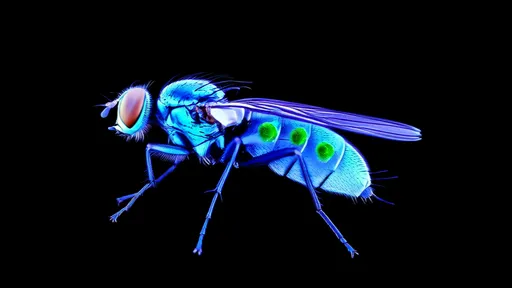
The traditional view, solidified by groundbreaking work in model organisms like the fruit fly Drosophila, painted Hox genes as a relatively stable genetic module. Their expression domains, neatly arranged in a colinear fashion on the chromosome, dictated the blueprint for building a head, thorax, and abdomen. Evolutionary changes were thought to arise from rare, large-scale events like gene duplications, which could provide new genetic raw material for natural selection to act upon, or from mutations within the protein-coding regions of the genes themselves that would alter their function. While these mechanisms are undoubtedly important, they now appear to be only part of a much richer and more complex story.
The new mechanism coming into focus centers on cis-regulatory elements—stretches of non-coding DNA that act as genomic switches, controlling when, where, and to what degree a gene is turned on. The regions surrounding Hox genes are particularly dense with these regulatory elements, forming a complex and often modular control system. It is now becoming clear that evolutionary tinkering with these switches is a powerful and perhaps more pervasive engine for morphological change. Rather than waiting for a chance gene duplication, evolution can act by subtly rewiring the regulatory connections that govern the expression of the existing Hox gene complement. A small mutation in a regulatory element can lead to a novel expression pattern in a specific tissue at a precise time during development, potentially yielding a significant phenotypic change without disrupting the gene's other vital functions.
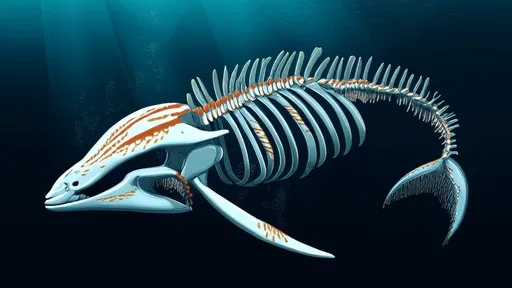
This regulatory flexibility provides a elegant explanation for how drastic morphological innovations can evolve rapidly. A classic example can be found in the evolution of limb morphology in vertebrates. The difference between a bat's wing, a whale's flipper, and a human hand does not stem from different Hox genes; all mammals share essentially the same set. The difference lies in how those genes are deployed. Subtle changes in the regulatory logic controlling Hox gene expression in the developing limb bud can alter the growth, identity, and shape of the digits and long bones, creating the specialized structures we see today. This mechanism allows for a high degree of evolutionary experimentation and adaptation without the perilous risk of breaking the core genetic machinery essential for life.
Furthermore, research is uncovering the role of three-dimensional genome architecture in this process. Hox genes are housed in one of the most dynamically organized regions of the genome. The way the chromosome folds upon itself can bring distant regulatory elements into close physical proximity with the genes they control, forming structures known as topologically associating domains (TADs). Evolution can act on the proteins that mediate this folding or on the boundary elements that define these domains, thereby altering the communicative landscape of the genome. A shift in chromosomal architecture could suddenly allow a regulatory element that once controlled one gene to influence another, or it could insulate a gene from a suite of regulators, effectively rewriting the developmental program. This adds a physical, spatial dimension to gene regulation that is only beginning to be understood as a critical factor in evolutionary change.
The implications of this regulatory-centric view extend beyond academic interest. It helps resolve the long-standing paradox of how organisms with remarkably similar genomes can exhibit such breathtaking diversity. The genetic difference between humans and chimpanzees, for instance, is极小, yet the phenotypic differences are obvious. A significant portion of this divergence is now attributed to changes in gene regulation, not the genes themselves. By focusing on the regulatory code, scientists are developing a more precise understanding of the genetic basis for evolution and are even beginning to identify specific regulatory changes responsible for specific adaptations in the fossil record and in extant species.
In conclusion, the story of Hox genes and body plan evolution is being rewritten. The spotlight is moving from the actors on the stage—the Hox proteins—to the directors and stagehands behind the curtain: the complex regulatory networks and the three-dimensional genome theater in which they operate. This new mechanism emphasizes the power of regulatory evolution as a versatile and potent force for generating biological diversity. It reveals that evolution often works not by creating new genes but by discovering new ways to combine and control the old ones, orchestrating the ancient and conserved Hox toolkit to compose the endless forms most beautiful that populate our planet.
By /Aug 27, 2025

By /Aug 27, 2025
By /Aug 27, 2025
By /Aug 27, 2025
By /Aug 27, 2025

By /Aug 27, 2025
By /Aug 27, 2025
By /Aug 27, 2025
By /Aug 27, 2025
By /Aug 27, 2025
By /Aug 27, 2025
By /Aug 27, 2025

By /Aug 27, 2025

By /Aug 27, 2025
By /Aug 27, 2025
By /Aug 27, 2025
By /Aug 27, 2025
By /Aug 27, 2025
By /Aug 27, 2025
By /Aug 27, 2025
